Exploring Herbalism: Your Guide to Natural Wellness
- honeybeehummingbir
- Mar 1
- 4 min read
Herbalism is not just a trend; it is a time-honored practice that connects us to nature and offers a holistic approach to health and wellness. As more people seek alternatives to conventional medicine, herbal remedies are gaining popularity for their potential benefits. This guide will explore the world of herbalism, providing you with practical insights and tips to incorporate these natural remedies into your daily life.

What is Herbalism?
Herbalism is the study and use of plants for medicinal purposes. It encompasses a wide range of practices, from traditional folk medicine to modern phytotherapy. Herbalists believe that plants can support health and well-being, often using them to treat various ailments or enhance overall wellness.
The History of Herbalism
Herbalism has roots that stretch back thousands of years. Ancient civilizations, including the Egyptians, Greeks, and Chinese, utilized herbs for healing. For example, the ancient Egyptians documented over 700 medicinal plants in their medical texts. Similarly, Traditional Chinese Medicine (TCM) has been using herbs for over 2,500 years, emphasizing the balance of energy (Qi) in the body.
The Science Behind Herbalism
While herbalism is often viewed through a cultural or historical lens, modern science is beginning to validate many of its practices. Research has shown that certain herbs contain bioactive compounds that can have therapeutic effects. For instance, turmeric is known for its anti-inflammatory properties, while ginger can aid digestion.
Benefits of Herbalism
Incorporating herbal remedies into your wellness routine can offer numerous benefits:
Natural Healing: Many herbs have been used for centuries to treat various ailments without the side effects often associated with pharmaceuticals.
Holistic Approach: Herbalism considers the whole person, addressing physical, emotional, and spiritual health.
Accessibility: Many herbs can be grown at home or purchased easily, making them a convenient option for many.
Common Herbs and Their Uses
Here are some popular herbs and their traditional uses:
1. Chamomile
Chamomile is well-known for its calming effects. Often consumed as a tea, it can help with sleep issues and digestive problems.
2. Echinacea
Echinacea is commonly used to boost the immune system. Many people take it during cold and flu season to help prevent illness.
3. Peppermint
Peppermint is not only refreshing but also aids digestion. It can be consumed as tea or used in essential oil form for aromatherapy.
4. Lavender
Lavender is celebrated for its soothing properties. It can be used in essential oils, teas, or even in cooking to promote relaxation.
5. Ashwagandha
This adaptogenic herb is known for its ability to help the body manage stress. It is often taken in supplement form.
How to Use Herbs
Incorporating herbs into your daily routine can be simple and enjoyable. Here are some practical ways to use them:
Herbal Teas
One of the easiest ways to enjoy herbs is through tea. Simply steep dried herbs in hot water for several minutes. You can mix different herbs to create your own blends.
Tinctures
Tinctures are concentrated herbal extracts made by soaking herbs in alcohol or vinegar. They can be taken in small doses and are a potent way to harness the benefits of herbs.
Essential Oils
Essential oils are extracted from plants and can be used in aromatherapy, massage, or added to bathwater. Always dilute essential oils before applying them to the skin.
Cooking
Many culinary herbs can also be used for their health benefits. Incorporate herbs like basil, oregano, and rosemary into your meals for added flavor and nutrition.
Growing Your Own Herbs
Growing your own herbs can be a rewarding experience. Here are some tips to get started:
Choosing the Right Herbs
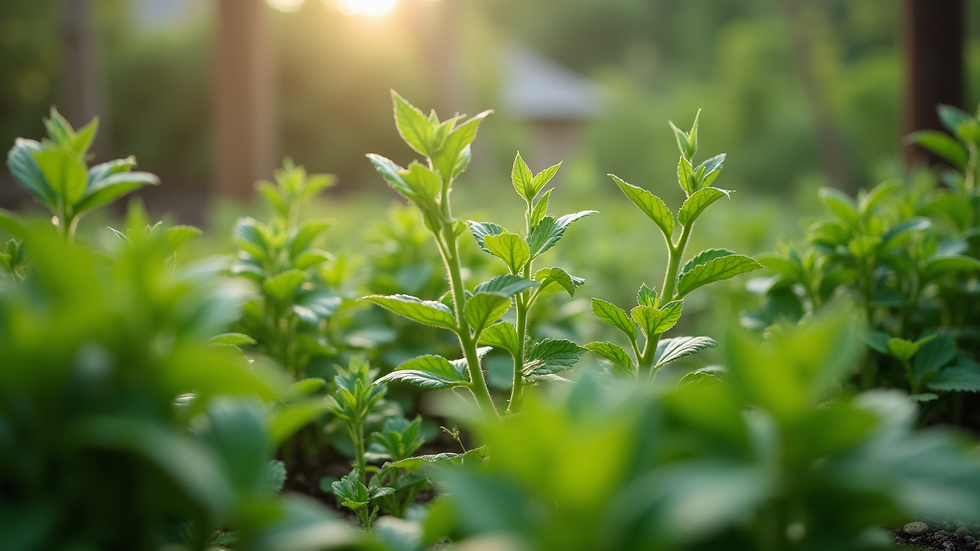
Select herbs that you enjoy using and that thrive in your climate. Some easy-to-grow options include basil, mint, and parsley.
Planting
Herbs can be grown in pots or directly in the garden. Ensure they receive adequate sunlight and water, and use quality soil for the best results.
Harvesting
Harvest herbs regularly to encourage growth. Use scissors to snip off leaves, and avoid taking more than one-third of the plant at a time.
Safety Considerations
While herbal remedies can be beneficial, it is essential to use them safely:
Consult a Professional: Before starting any herbal regimen, especially if you are pregnant, nursing, or taking medications, consult a healthcare provider.
Know Your Herbs: Some herbs can interact with medications or have side effects. Research each herb thoroughly before use.
Quality Matters: Purchase herbs from reputable sources to ensure they are free from contaminants.
Conclusion
Herbalism offers a rich tapestry of knowledge and practices that can enhance your wellness journey. By exploring the world of herbs, you can discover natural remedies that support your health and well-being. Whether you choose to brew a calming cup of chamomile tea or grow your own herbs at home, the possibilities are endless. Embrace the power of nature and take a step towards a healthier, more balanced life.
As you delve into herbalism, remember to stay informed and consult professionals when necessary. Your journey into natural wellness is just beginning, and the world of herbs is waiting for you to explore.

Comments